
masala, memory, migration.
I’m Litu Mohiuddin, though most people know me as Litu bhai.
I was born in a rural village in Bangladesh, where farm-to-table was not a movement but everyday life. My relationship with food began early — growing vegetables, selling produce in local markets, and watching how food held families and communities together. I never planned to become a chef, but life slowly led me into the kitchen.
After building Michelin Guide-recognised restaurants, writing and researching Anglo-Indian food, and travelling along the Maritime Silk Route, I began exploring how empire, trade and migration continue to shape our tastes, memories, and identities.
I love telling food stories — sometimes around a supper table, sometimes through poetry. These days, I am building my next chapter around kari, not curry.
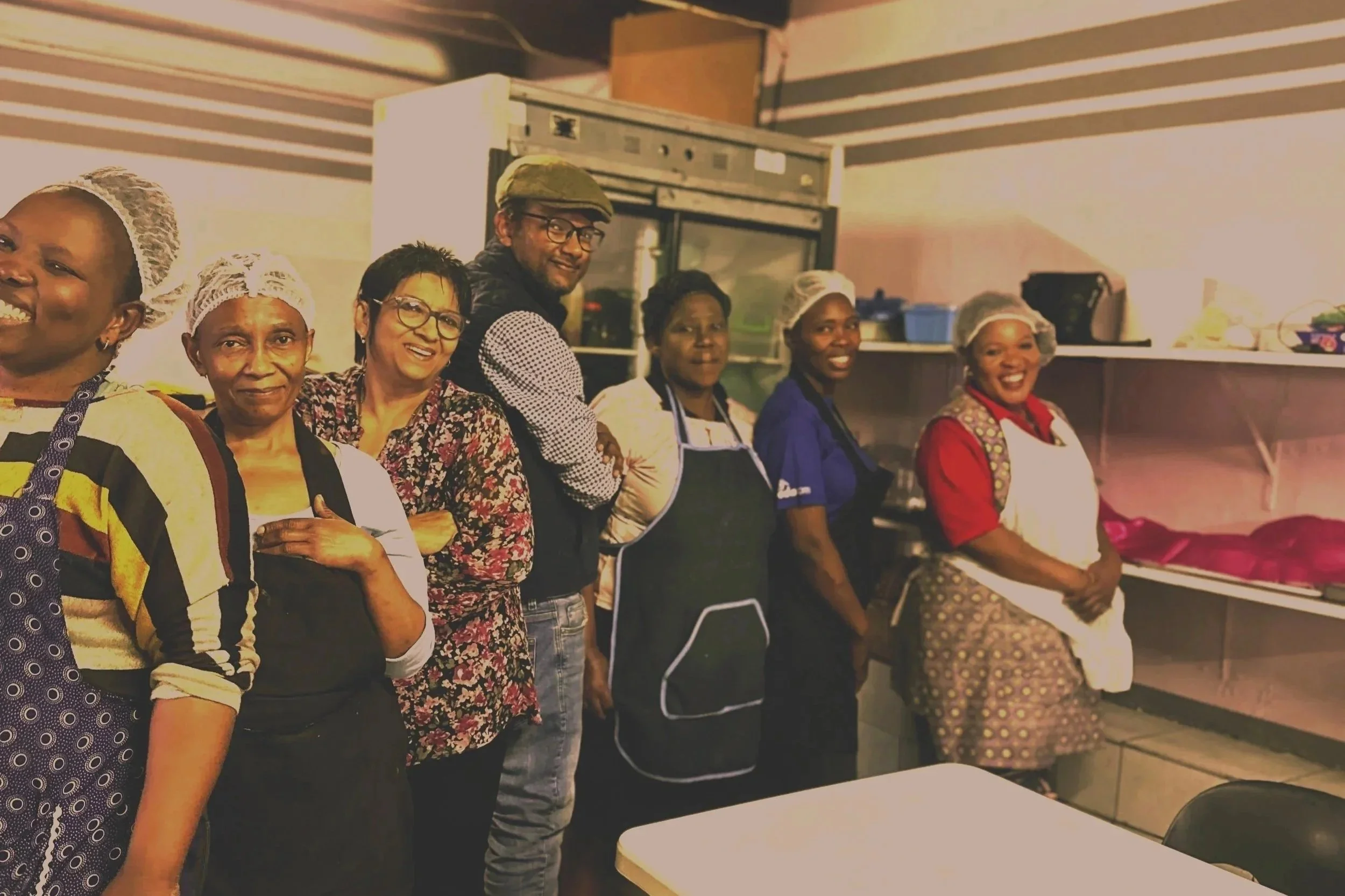
Chef Baby and her team at Curry Court in Pietermaritzburg, SA
learn one, teach one
The Olympic Games include relay races, where one runner carries the baton for part of the journey before passing it to the next. I often think life and cooking are a bit like that.
Everything I have learnt — from village markets and restaurant kitchens to archives and journeys along the spice routes — was only possible because somebody shared something with me along the way. A recipe. A technique. A story. A memory. So now it feels natural to pass that knowledge forward to the next cook, the next student and the next curious guest.
I have always enjoyed cooking for chefs. One day, I would love to build a chefs’ academy rooted in collaboration, shared knowledge and learning across cultures and generations.
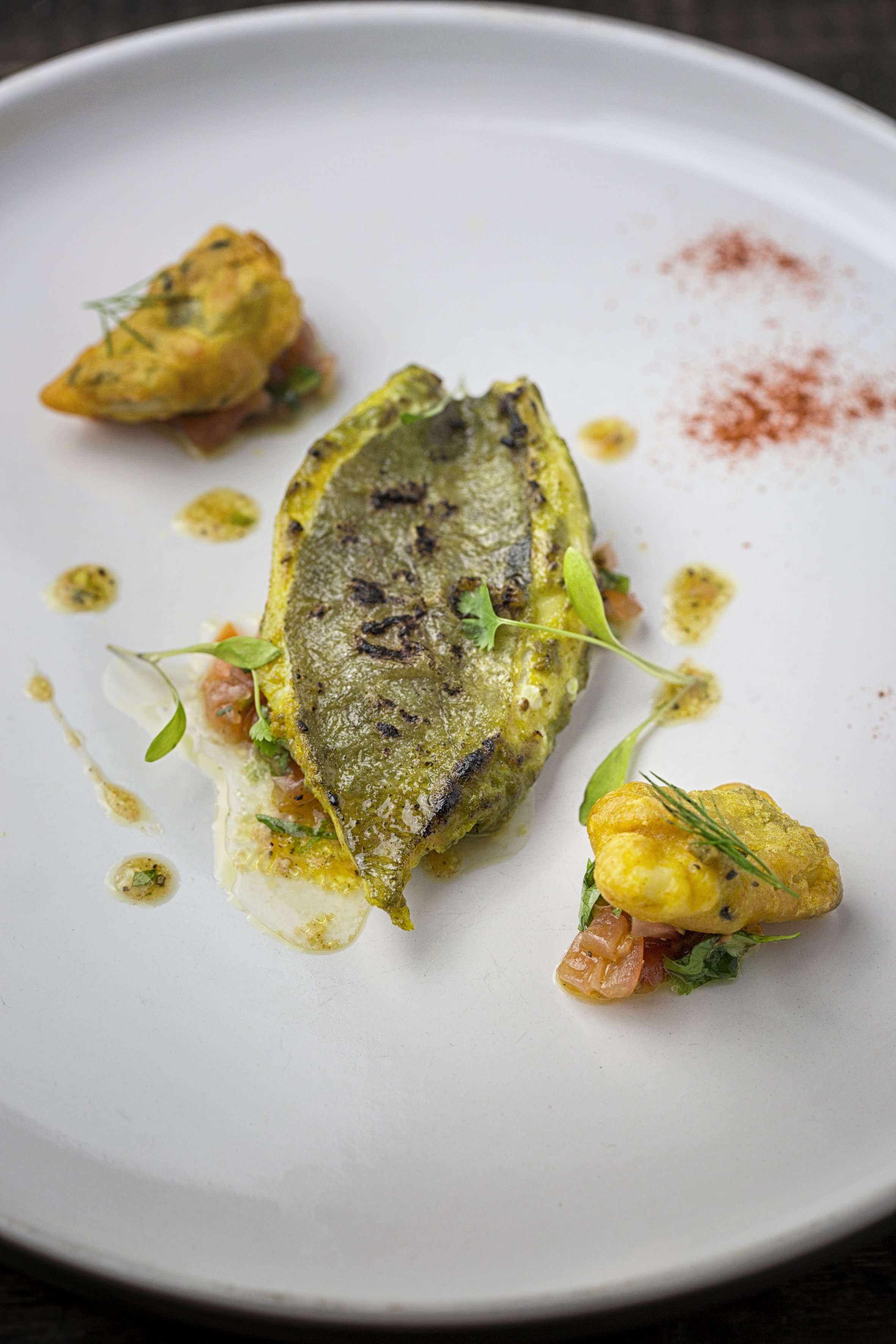
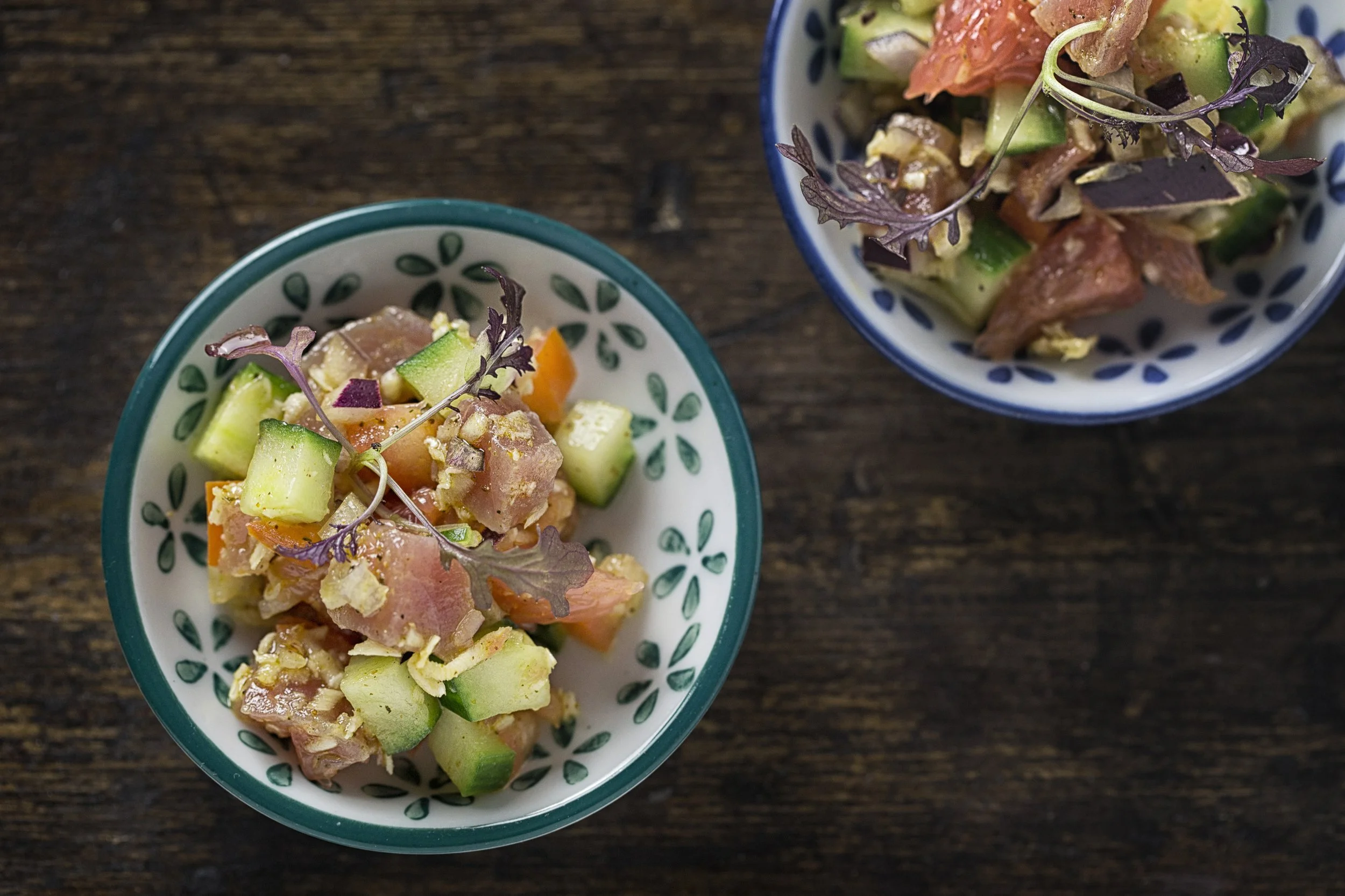
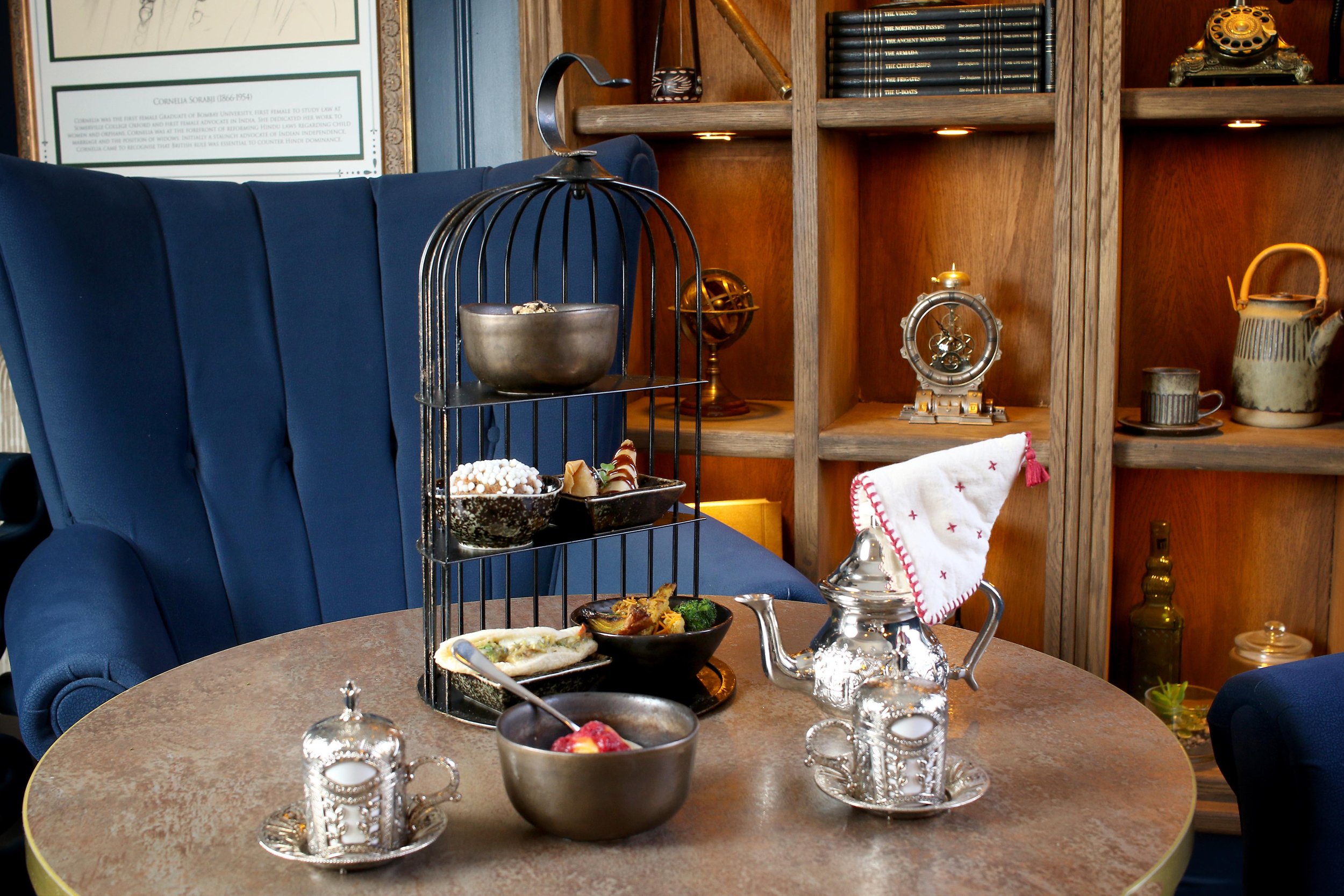
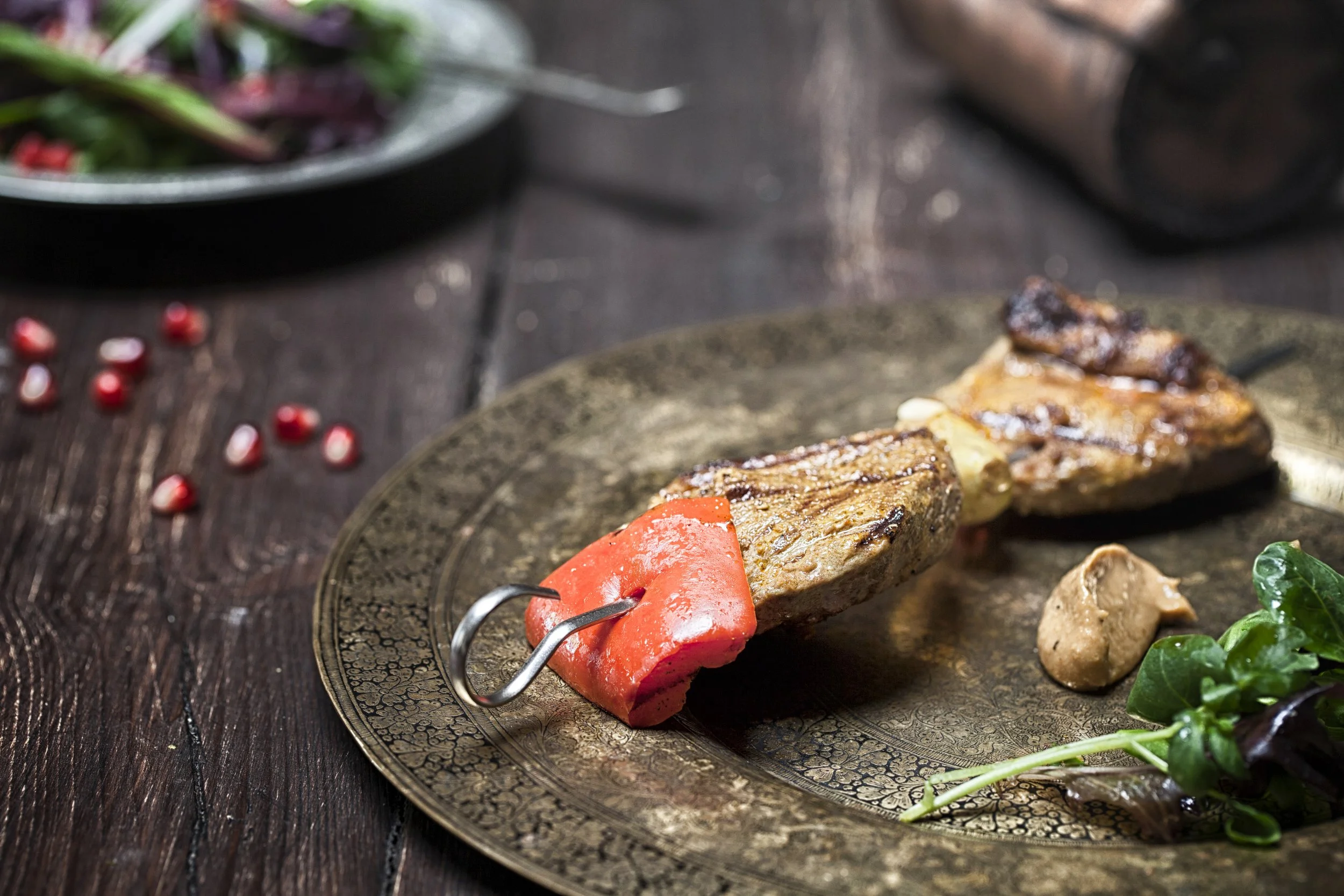
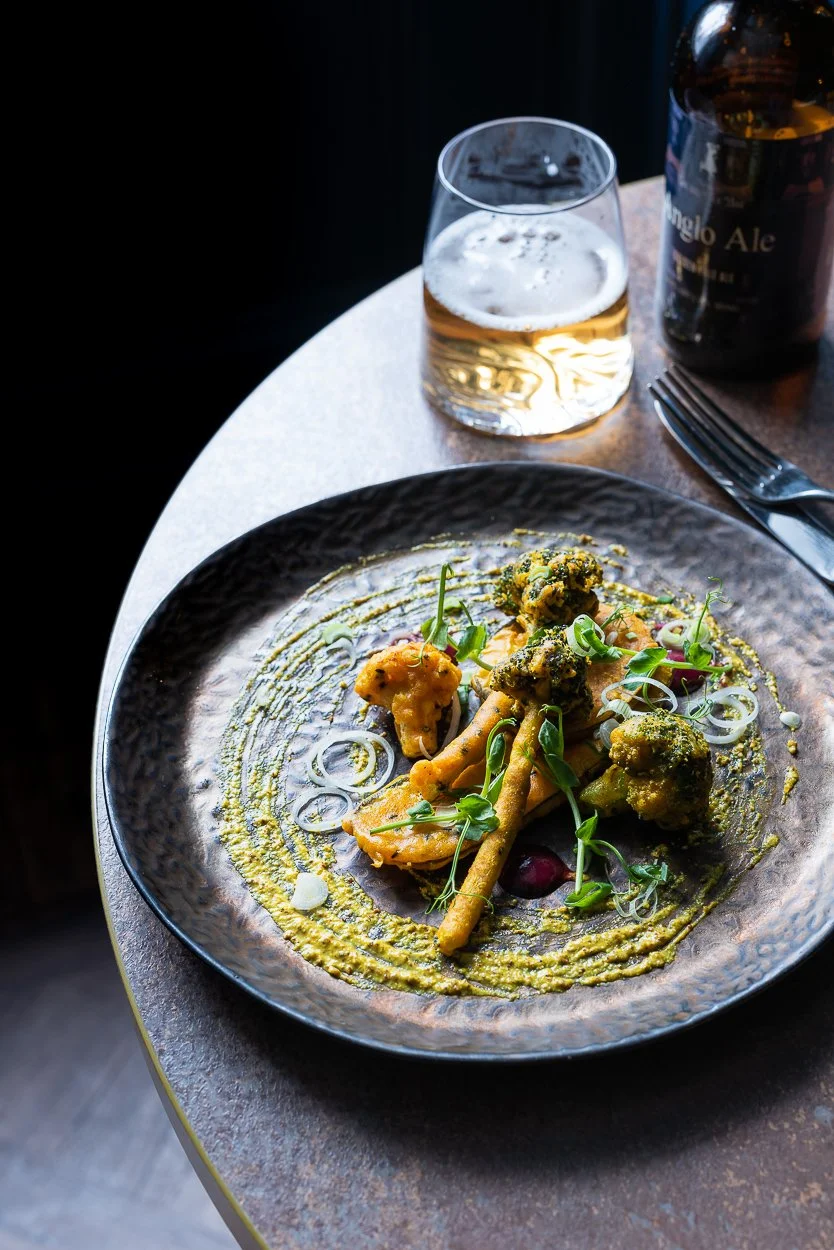
my restaurant years
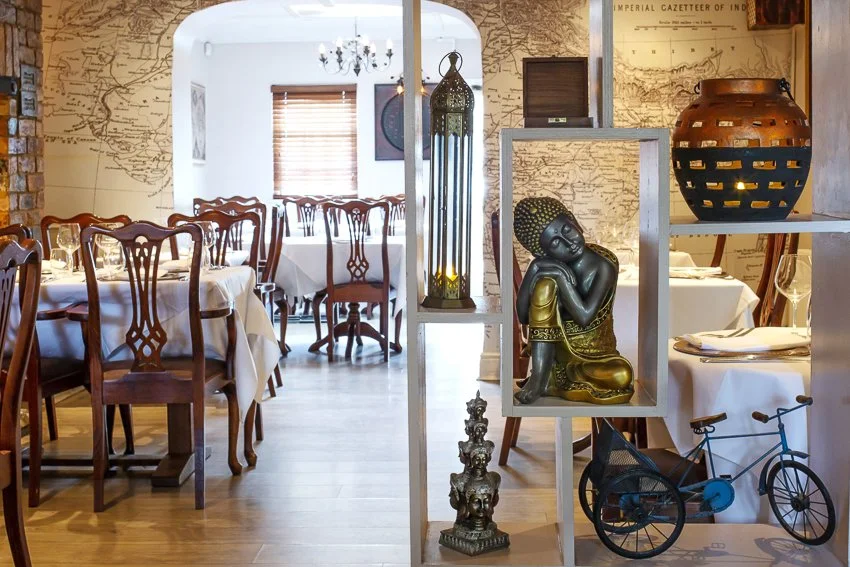
east india cafe
After a decade in hospitality, I co-founded my first restaurant in 2014. With East India Cafe, we deliberately subverted the visual language of the East India Company — the corporation that colonised India before the empire.
A huge map of ‘British India’ covered almost a third of the dining room. On the menu, Railway Mutton Curry became more than a dish: some guests found themselves savouring it uncomfortably; the majority were eager to engage with and relearn the colonial legacy behind the food they were eating.
“...the owners have meticulously researched the dishes favoured by the British between the 1880s and the 1940s... an appealing blend of innovation and authenticity... Do not be fooled by the word ‘café’ as this is very much a restaurant.” — Michelin Guide, 2019
But for us, East India Cafe was never just a restaurant — it became part laboratory, part storytelling space and part home. It remains deeply meaningful to see how the restaurant continues to evolve today.
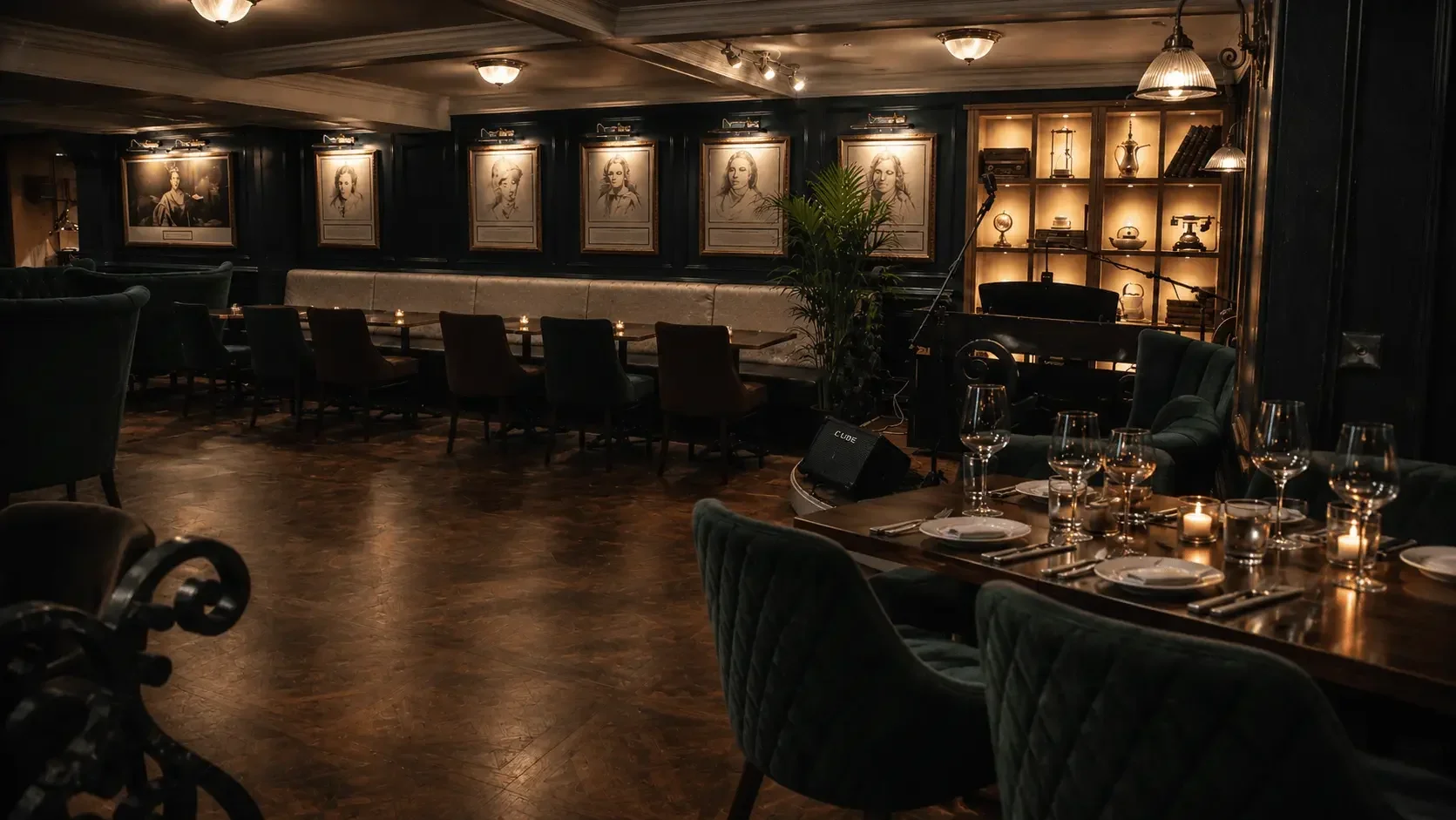
memsahib’s lounge
The memsahib — the wives, sisters and mothers who travelled to India, shaped the domestic culture of the Raj and helped build the Victorian empire — have often been reduced to a footnote. Cheltenham Ladies’ College brought women from across the empire to the town, among them my favourite, Pandita Ramabai.
What began as the world’s first “gin and tea bar” became Memsahib’s Lounge — where these worlds could meet: contemporary Anglo-Indian cuisine served under the dim light of the Memsahib’s Wall with a team of chefs we had trained.
“...a stylish two-roomed basement in a smart Georgian terrace... the adjoining dining room has a clubby feel... the Indian dishes are for sharing... the ‘Experience’ tasting menu is perhaps the best way to go...” — Michelin Guide, 2026
Just a couple of years after Covid, following a life-changing event, I stepped away from day-to-day cooking, leaving the restaurant to my partners. I returned to the road to explore another chapter of life — like the river in Kahlil Gibran’s Fear, finally seeing the vast ocean ahead.
pages from the journey
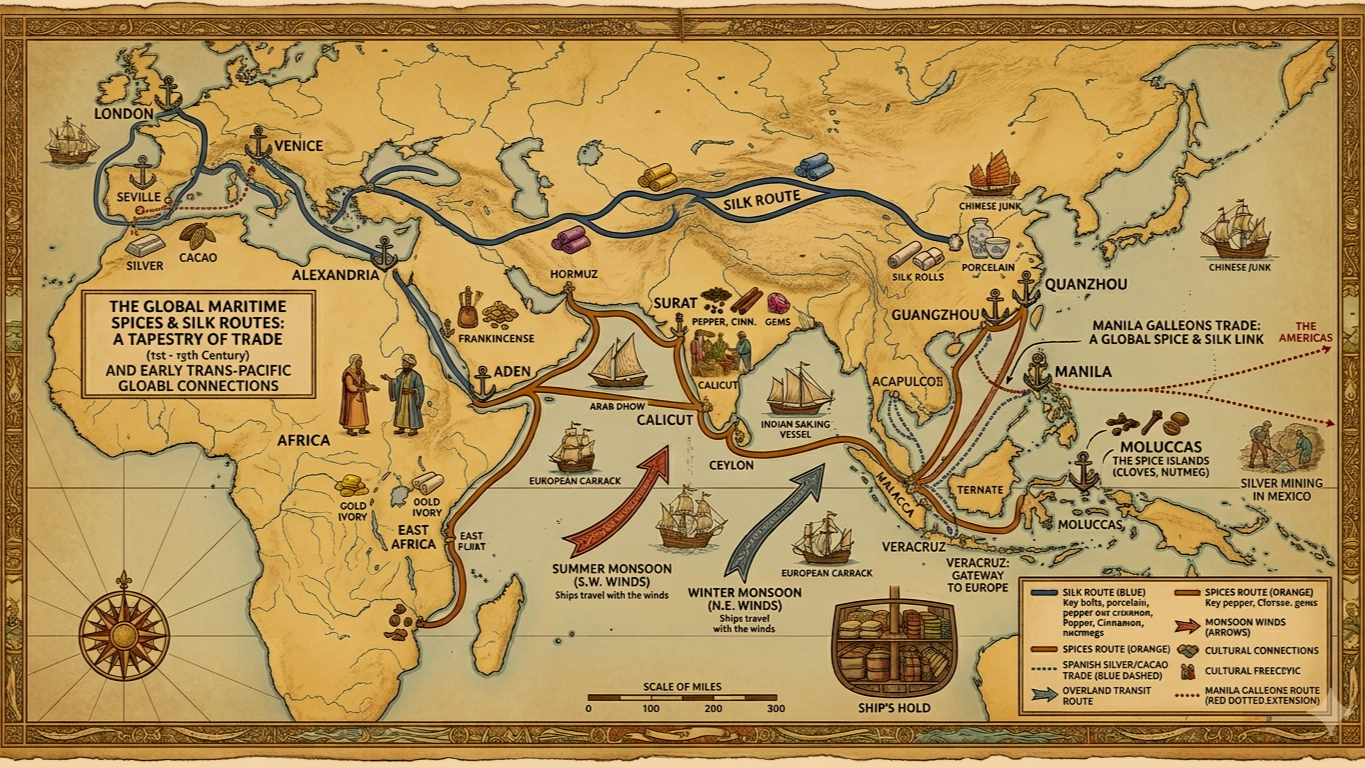
along the spice routes
Imagine a bowl of so-called ‘curry’ beside a world map. Now remove the spices from the bowl and place each one on the map where it originated. The lines begin to cross oceans — routes intertwined with trade, slavery and colonisation. What looks like a simple bowl of curry becomes a map of movement, power and memory.
Over nearly two years, I crossed 33 countries and 185 cities, covering roughly 95,000 miles while researching my next book, From Kari to Curry: Masala, Memory and Migration — a blend of literature, travel and culinary research exploring the soul of curry.
‘Ironically, curry was the very thing I refused to cook or serve in my first restaurant. These days, I find myself tracing how “curry” carried empire, memory and migration across oceans.’
Britain still lags behind in global curry diplomacy, despite helping turn curry into a global phenomenon. Because the stories of migration are rarely told through food, a cultural vacuum is created — and with it, an assimilation paradox.
Somewhere along the spice routes, I began imagining a different kind of space — Kari Stadium — a living exploration of what a ‘decolonised curry’ could mean, look like and taste today.
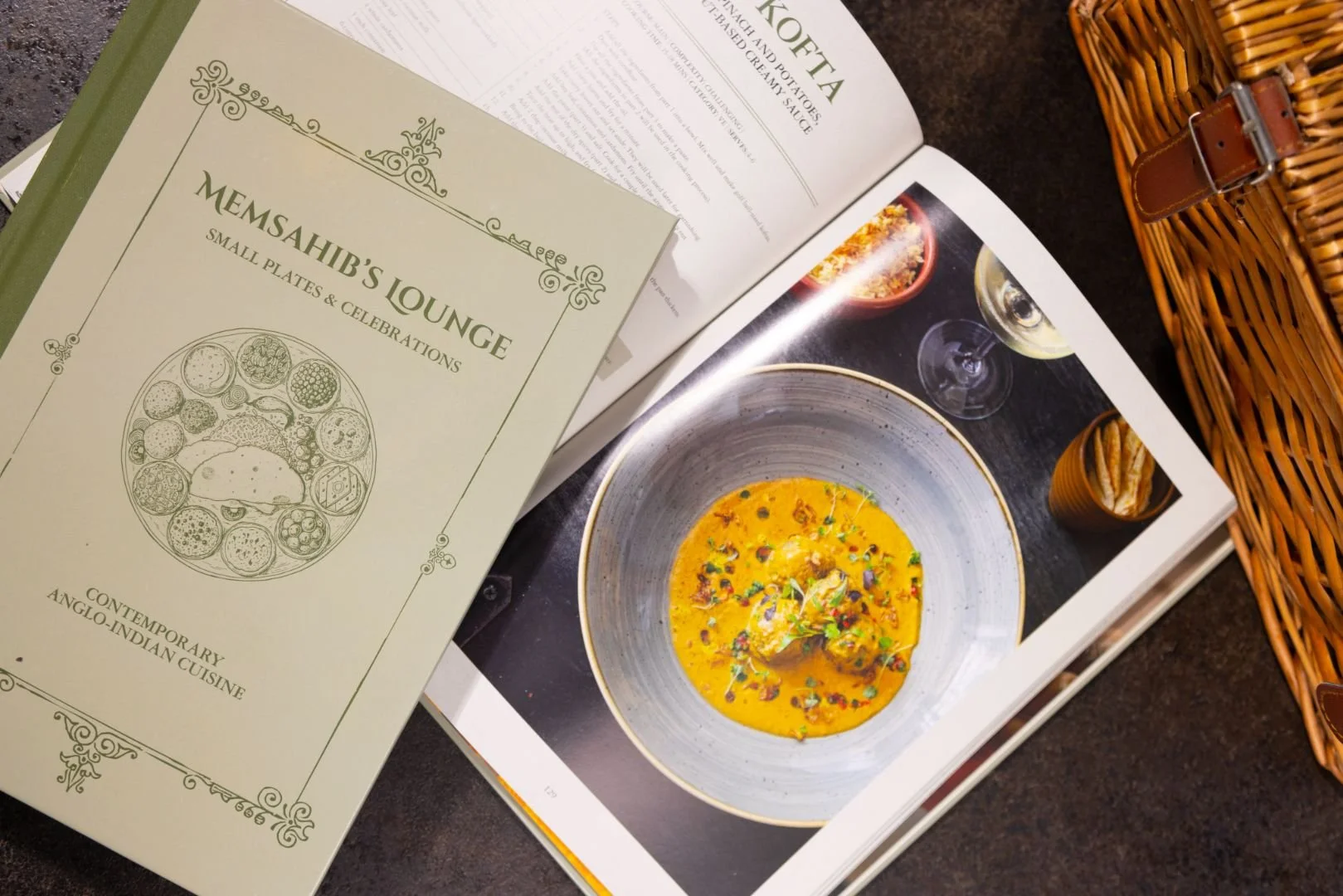
from kitchen to page
The cookbook grew from the guests and their participation in our hospitality — they attended masterclasses, joined supper clubs and stayed for long conversations over food. They brought family recipes, forgotten techniques and even secrets of gin and rum infusion. Over time, these became a collection of memories and flavours, brought together in the Memsahib’s Lounge Cookbook. At its heart are our mothers.
“Life is a colourful journey and Memsahib’s Lounge is the fulfilment of a culinary dream that has travelled many thousands of miles... a loving tribute to the trail-blazing Anglo-Indian women, known as Memsahibs, who bridged cultural and geographic divides to introduce new and exciting flavours to the UK.”
— Memsahib’s Lounge Cookbook: Small Plates and Celebrations
An artisan publication of small bites and celebratory recipes, the book brought together contemporary Anglo-Indian food, stories and beautiful photography. It opened doors for me, from Japan to Jamaica, and was even featured at Hatchards, one of Britain’s oldest bookshops — a moment that quietly reminded me to keep writing — and eventually led me to become a chef-writer.
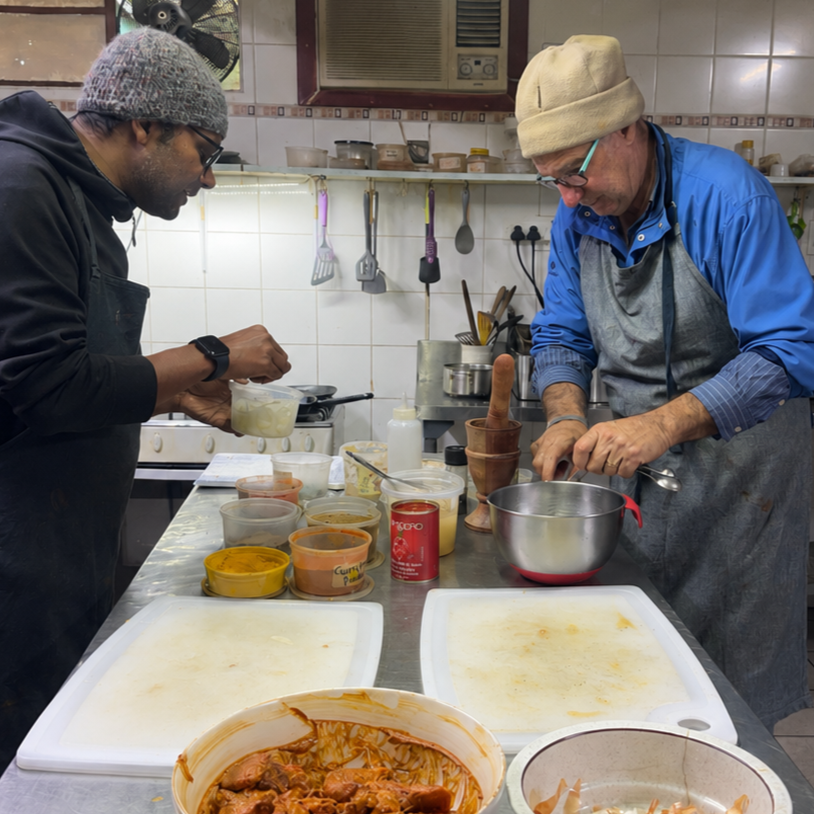
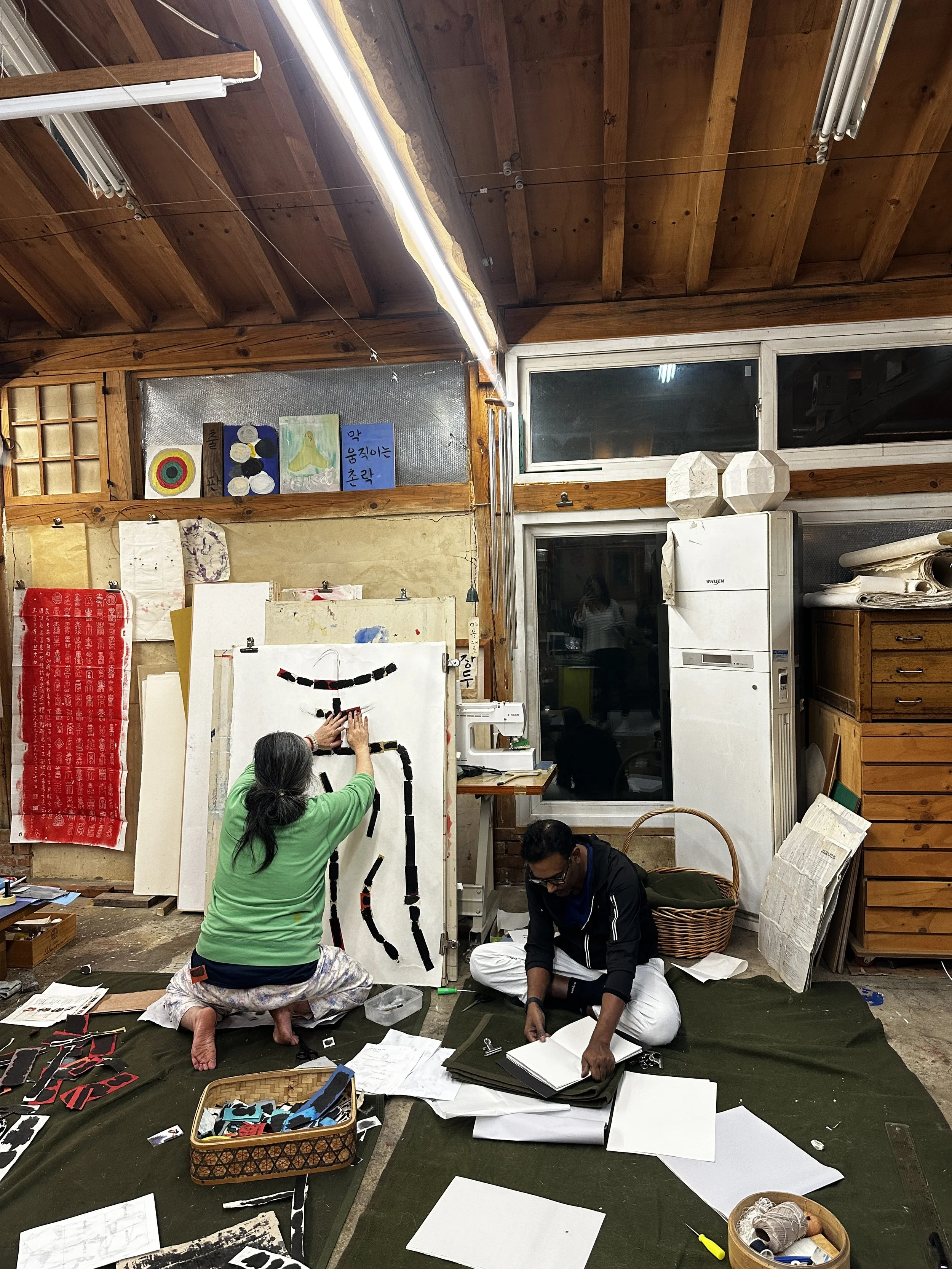
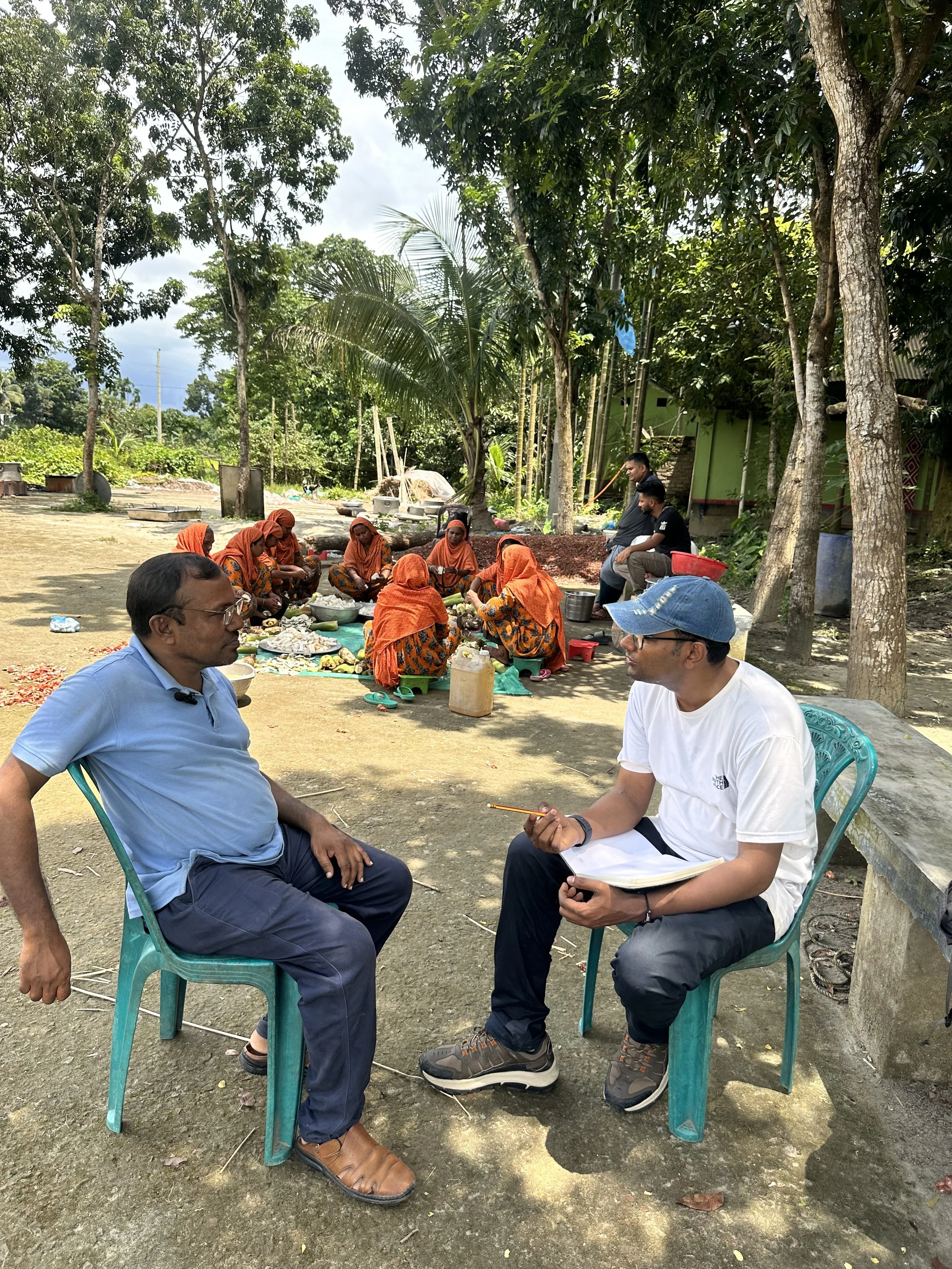
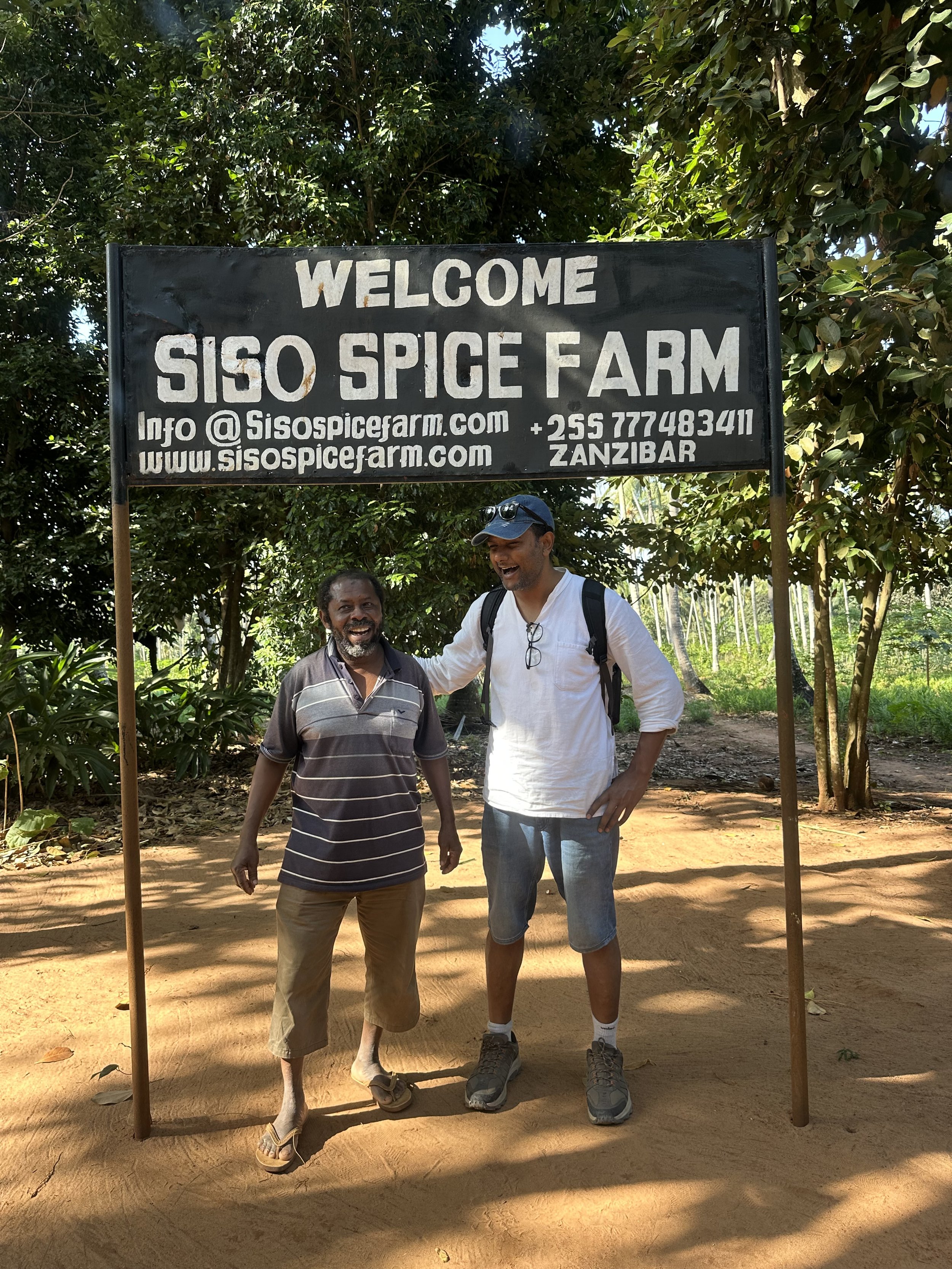
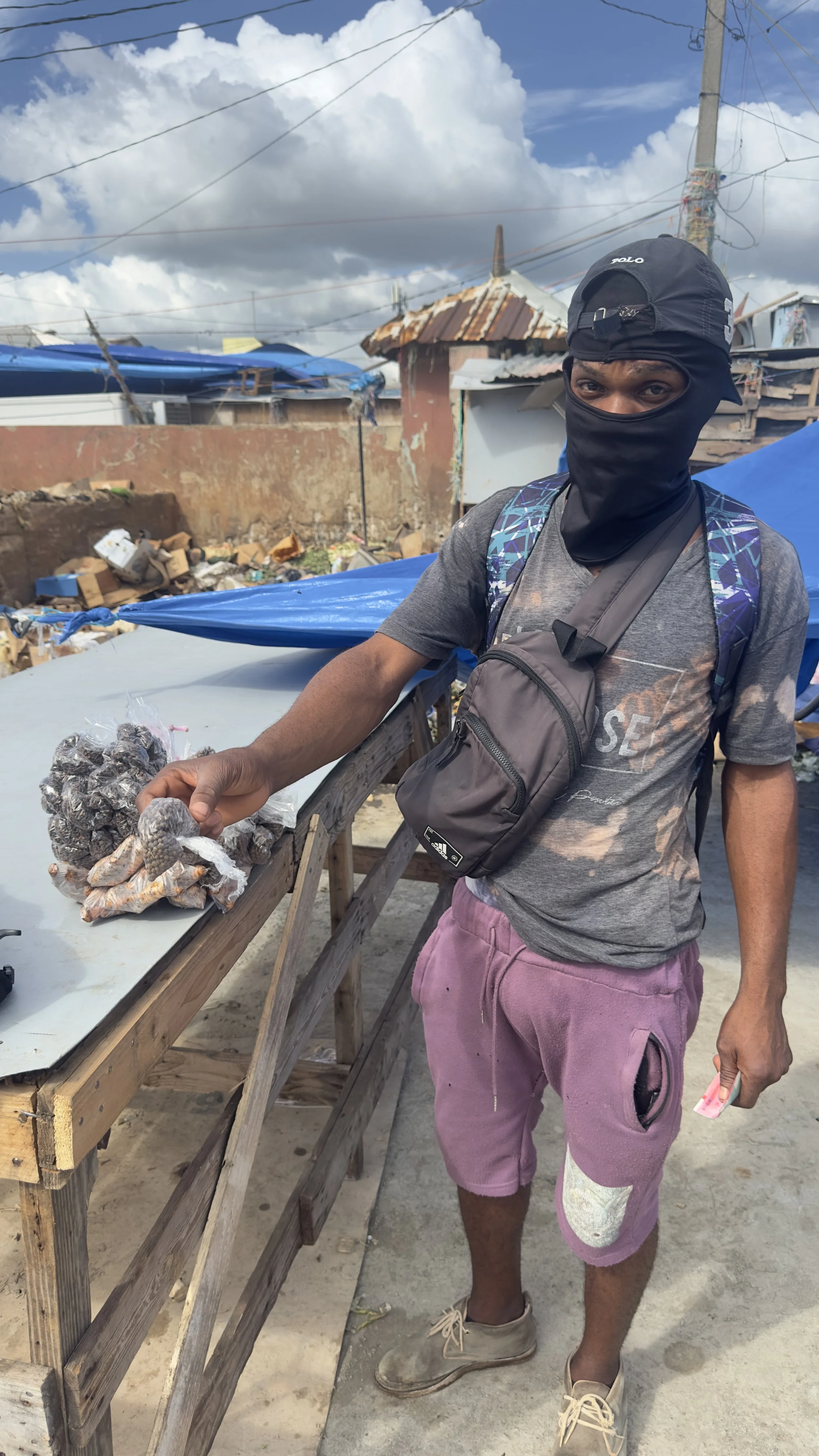
working together
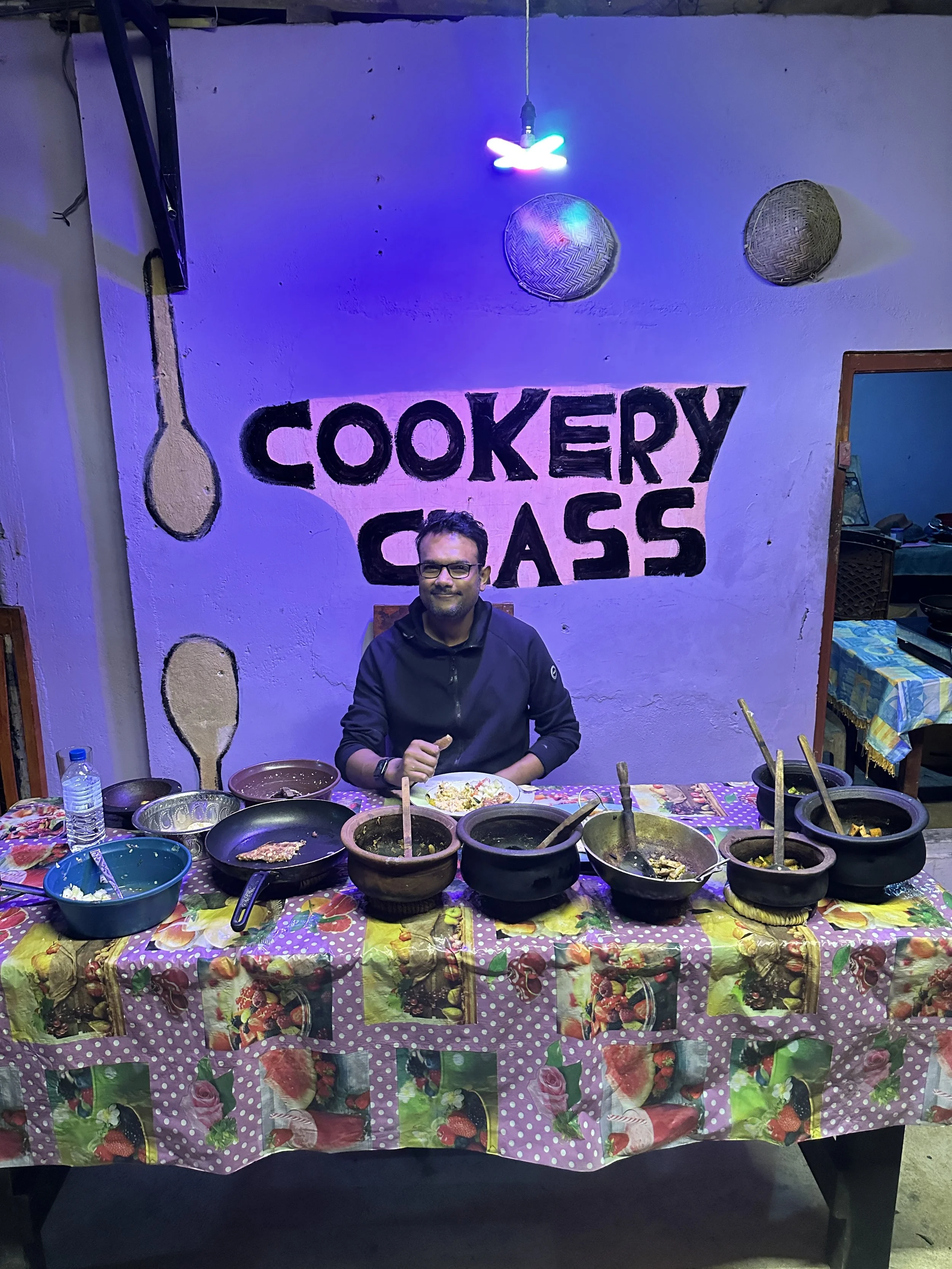
culinary collaboration
Working across food, hospitality and cultural research — from menu development and creative collaborations to culinary events and shared-table experiences.
health & wellbeing
An ongoing interest in how food, rest, movement and slower living shape both personal wellbeing and kitchen culture — especially for the people who spend their lives feeding others.
supper club
Shared-table supper clubs bringing together food, memory, art and conversation through collaborative dining experiences — with the next chapter launching in mid-2027.
“মুখ ফুটে তোর মনের কথা একলা বলো রে...
Open thy mind and speak out alone...”
“What you seek is seeking you.”
-
I explore food through memory, migration, and storytelling. Sometimes that becomes a supper club, sometimes a research journey across spice routes, and sometimes simply a very good curry with a long backstory.
-
All three — though the washing up still happens like everyone else’s.
My work sits between kitchens, archives, and travel. -
In Bangkok, a couple of Bengali chefs started calling me “Litu Bhai” rather than “Chef”. Bhai means “brother” in Bengali — someone who is there for his community and its people. They saw me not just as a chef, but as someone who connects people, shares food and tells stories.
The name stayed. Over time, Litu Bhai became my brand.
-
Private dining, supper clubs, culinary consultancy, and occasionally ambitious ideas that begin with: “This might sound slightly mad…
-
From Kari to Curry began as a personal journey exploring how kari travelled across oceans, empires, and migrations to become “curry.”
Today, it exists both as an evolving book project — blending memoir, field research, and culinary anthropology — and as Kari Stadium, a hospitality platform serving and celebrating world curries through collaborative kitchens and cultural storytelling.
-
Imagine taking a bowl of curry apart, spice by spice, and placing each ingredient back onto a world map. Suddenly, the dish becomes more than a recipe; it becomes a living archive of global spice trade.
Inside the same pot live stories of migration, memory, comfort, and home.
-
Not at all — although if you visit my home, there is a good chance something Bengali will find its way onto the table. My roots are in Bengal, but my cooking has been shaped by travel, curiosity, memory, and cravings.
One day I might air-fry kimchi and eat it with fava bean falafel; another day, slow-cook Caribbean curried goat (not goat curry) with Persian pilaf or Balkan bread. Sometimes it’s Thai boat noodle soup with a Malay twist, Zanzibar-style boiled cassava with dried anchovies and a bit of pili pili, but during writing days it must be South Asian rasam. On Fridays, I still find myself debating between Bengali beef bhuna and Kyoto-style curry ramen. By Sunday, I am just as happy thinking about a proper English roast.
Food travels. So do people. My cooking simply followed the same route.